

This content has been medically reviewed by Mr Mrinal Supriya (GMC 6066456) FRCS (OTOL-HNS), MRCS Ed, DO-HNS, MB BS
Hyperpigmentation refers to areas of skin that become darker than the surrounding tissue due to excess pigment production. It can appear as patches, spots, or uneven tone and most commonly affects the face. While some pigmentation changes are subtle, others can be persistent and progressively more noticeable over time.
At British Face Clinic, we provide specialist assessment and hyperpigmentation treatment in London, Milton Keynes and Northampton. Treatment planning is guided by the cause, depth and pattern of pigmentation, with a focus on restoring balance and clarity to the skin without unnecessary intervention.
What Is Hyperpigmentation?
Hyperpigmentation occurs when excess melanin is produced in certain areas of the skin, leading to visible darkening. This can present as localised patches, widespread discolouration, or uneven skin pigmentation across the face.
Unlike temporary redness or surface irritation, skin hyperpigmentation reflects a disruption in pigment regulation. The appearance, depth and behaviour of pigmentation vary widely, which is why careful assessment is essential before treatment is considered.
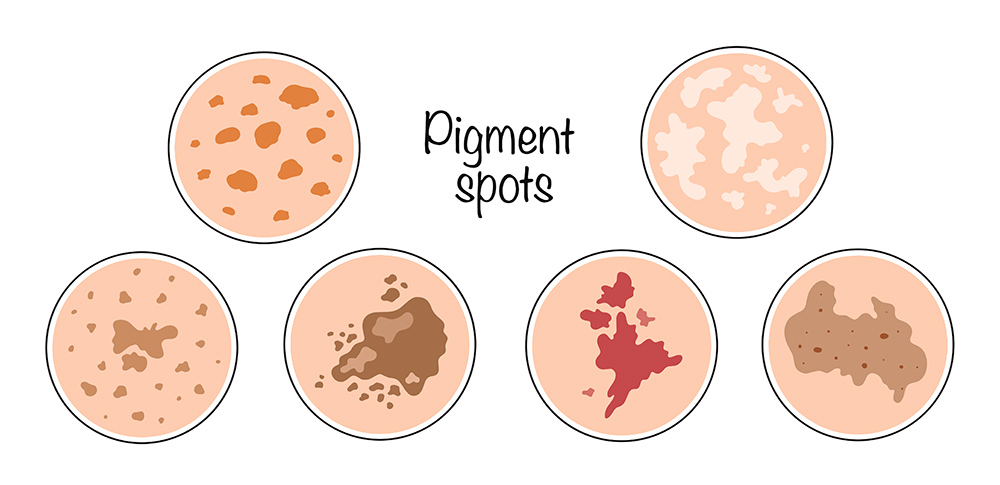
Hyperpigmentation can appear as dark patches or uneven skin tone across the face, often developing gradually over time.
What Our Patients Have to Say



What Causes Hyperpigmentation?
Hyperpigmentation develops for different reasons, and identifying the underlying cause plays a key role in selecting appropriate treatment. Common contributing factors include sun exposure, inflammation and hormonal influences, all of which affect how pigment is produced and distributed within the skin.
- Sun exposure: Ultraviolet radiation stimulates melanin production, leading to sun-related pigmentation and dark patches on the skin
- Post-inflammatory changes: Pigmentation can develop following acne, injury or irritation, particularly in post-inflammatory hyperpigmentation
- Hormonal influences: Conditions such as melasma are linked to hormonal fluctuation and pigment overactivity
- Skin type and genetics: Natural skin tone and inherited factors influence how pigmentation develops and persists
When Should You Consider
Hyperpigmentation Treatment?
Hyperpigmentation treatment may be appropriate when pigmentation becomes persistent, uneven or resistant to topical skincare. Facial hyperpigmentation can alter overall skin tone and clarity, particularly when dark patches are prominent or progressively spreading.
In cases where pigmentation is driven by deeper or recurrent pigment activity, professional treatment may offer more reliable improvement than over-the-counter products alone. A structured approach allows pigmentation treatment to be selected based on skin behaviour rather than surface appearance alone.
How Hyperpigmentation Is Assessed
Assessment focuses on understanding the type, depth and cause of pigmentation. During consultation, we evaluate skin tone, pigment distribution, previous skin inflammation and response to past treatments. This allows pigmentation on the face to be classified accurately and avoids inappropriate or overly aggressive treatment.
Careful assessment also ensures that treatment is introduced at the right intensity and stage, supporting gradual, controlled improvement rather than unpredictable outcomes.
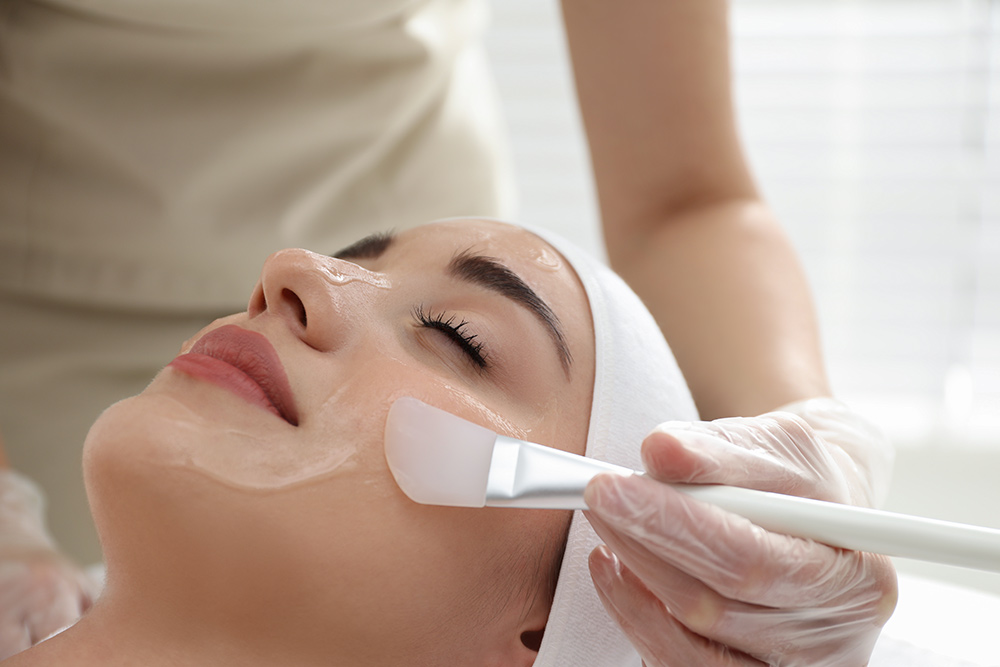
Facial hyperpigmentation may be caused by sun exposure, inflammation or hormonal changes that affect pigment production.
How We Treat Hyperpigmentation at British Face Clinic
Hyperpigmentation treatment is approached with care and restraint, as pigment behaves differently depending on its depth, trigger and skin type. Rather than applying a one-size-fits-all solution, treatment selection is based on how the pigmentation has formed, how long it has been present and how the skin is likely to respond over time.
Chemical peel treatment allows pigmentation to be addressed in a controlled and progressive way, supporting more even skin tone while maintaining skin health and stability.
PCA Peel
The PCA peel is commonly used for pigmentation concerns linked to inflammation and hormonal influence. It works at a superficial to mid-depth level, encouraging gradual skin renewal and helping regulate excess pigment production.
This approach is often suitable for individuals with melasma or post-inflammatory hyperpigmentation, where pigment may recur if treated too aggressively. PCA peels are typically delivered as a course, allowing pigmentation on the face to improve steadily while minimising disruption to surrounding skin.
TCA Skin Peel
The TCA skin peel is selected when hyperpigmentation is more established or related to cumulative sun exposure. Working at a deeper level, it helps address darker, more persistent pigmentation by promoting controlled shedding of pigmented skin layers and stimulating regeneration.
Due to its strength, the TCA peel is introduced carefully and only when appropriate. Treatment planning focuses on achieving improvement without excessive irritation, supporting clearer and more even skin pigmentation over the longer term.
Personalised Treatment Planning
Hyperpigmentation does not behave the same way in every individual. Treatment planning is adapted to skin type, pigmentation pattern and response over time. This personalised approach allows treatment intensity to be adjusted appropriately and avoids unnecessary escalation. By focusing on regulation rather than overcorrection, outcomes remain consistent and in keeping with natural skin tone.
Meet Mr Mrinal Supriya

FRCS (OTOL-HNS), MRCS Ed, DO-HNS, MS in ENT, MBBS
Mr Mrinal Supriya is the Divisional Director of Surgery. He is highly experienced Head and Neck Surgeon, specialising in facial cosmetic surgery. He is the Divisional Director for Surgery at NGH in Northamptonshire and works as an ENT Consultant.
Mr Supriya is also the lead head and neck robotic surgeon at the University Hospital of Northamptonshire (2023). Previously, he held consultant positions at St. George’s University Hospital, London and Ninewells University Hospital, Dundee.
Mr Supriya has extensive experience in top hospitals around the world, including the UK, Australia and the USA. He has trained with Dr. Andrew Jacono, one of the top facelift surgeons in the USA. Mr Supriya is among the 30 surgeons certified by the Royal College of Surgeons to provide facial cosmetic surgery in the UK (2022).
Why Choose British Face Clinic
for Hyperpigmentation Treatment?
Selecting the right clinic is important when managing pigmentation concerns, as treatment depends on accurate assessment and clinical judgement. British Face Clinic provides consultant-led care with a clear focus on facial conditions.
- Facial expertise only: Exclusive focus on face and neck conditions
- Consultant-led care: Assessment, treatment and follow-up led by the same surgeon
- Measured approach: Treatment planned to improve pigmentation without over-treatment
- Clear guidance: Transparent advice based on skin behaviour, not assumptions
- Established experience: Extensive background in managing complex facial skin concerns
Ready to Take the Next Step?
If you are considering hyperpigmentation treatment in London, Milton Keynes or Northampton, booking a consultation allows for a detailed assessment and tailored advice. This provides clarity on the type of pigmentation present and whether treatment is appropriate for your skin.
Patient Stories
It’s embarrassing looking tired at work, and social events aren’t so fun when your confidence and self-esteem are lacking. You’ve neglected yourself and feel inadequate compared to all the beautiful people around you. You deserve some self-love.
Take your first step and step into a more beautiful you!
Frequently Asked Questions
What causes hyperpigmentation on the face?
Facial hyperpigmentation develops when excess melanin is produced due to sun exposure, inflammation, hormonal changes or skin injury. The exact cause influences how pigmentation behaves and which treatment approach is most appropriate.
Is hyperpigmentation the same as melasma?
Melasma is a specific type of hyperpigmentation that is often hormonally driven and tends to be recurrent. Other forms of hyperpigmentation, such as sun damage or post-inflammatory pigmentation, behave differently and may respond to different treatments.
How long does hyperpigmentation treatment take to show improvement?
Improvement depends on the depth and cause of the pigmentation, as well as how the skin responds to treatment. Some changes may be seen gradually over weeks, while more established pigmentation can require a longer, staged approach.
Can hyperpigmentation come back after treatment?
Yes, certain forms of hyperpigmentation, particularly melasma or sun-related pigmentation, can recur if underlying triggers persist. Ongoing skin management and appropriate sun protection play an important role in maintaining results.
Are chemical peels suitable for all skin types?
Chemical peels can be adapted for different skin types, but suitability depends on skin tone, sensitivity and pigmentation pattern. A professional assessment is essential to select the right peel and treatment depth safely.
Is hyperpigmentation treatment painful?
Most people experience mild to moderate sensations during treatment, such as warmth or tingling, rather than significant discomfort. Sensation levels vary depending on the type of peel used and individual skin sensitivity.
Our Locations
- London City
The Wellington Hospital, 15 – 17 Lodge Road
London NW8 7JA
- London City
23 Harley Street
London, W1G 9QN
- Milton Keynes
Athena Surgical Centre
16 Davy Avenue, Knowlhill
Milton Keynes, MK5 8PL
- Northampton
The Three Shires Hospital
The Avenue
Northampton. NN1 5DR
London City
The Wellington Hospital
15 – 17 Lodge Road
London NW8 7JA
London City
23 Harley Street
London, W1G 9QN
Milton Keynes
Athena Surgical Centre
16 Davy Avenue, Knowlhill
Milton Keynes, MK5 8PL
Northampton
The Three Shires Hospital
The Avenue
Northampton. NN1 5DR
 Online Marketing For Doctors