
Last updated on June 16, 2026
Understanding Why the Jawline Starts to Soften
What causes jowls is rarely one single change. In most cases, jowls develop through a combination of skin laxity, facial volume changes, soft tissue descent and the natural ageing of the deeper support structures of the face. This is why the lower face can start to look softer, heavier or less defined even when the skin itself does not appear dramatically loose.
At British Face Clinic, we view jowls as part of the broader facial structure, not just as a small area of sagging near the jawline. The cheeks, mouth corners, chin, jawline and neck all influence how the lower face ages. Understanding these changes properly is important because two people can have similar-looking jowls for very different reasons.
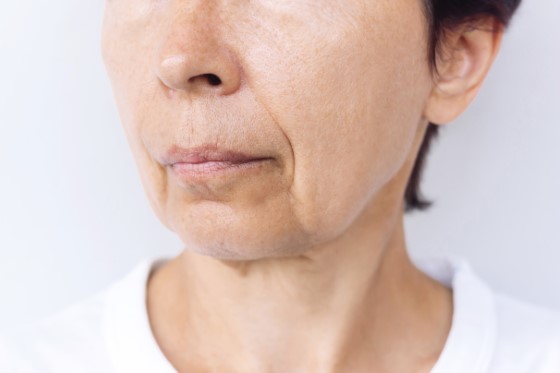
Jowls can develop due to a combination of skin laxity, facial volume loss, and soft tissue descent.
What Causes Jowls to Form?
Jowls form when the tissues around the lower cheek and jawline begin to lose their previous support. This can happen gradually over many years, but it can also become more noticeable after weight changes, skin quality changes or shifts in facial volume. The main causes usually sit within six connected areas: skin laxity, facial volume loss, soft tissue descent, bone support, weight changes and natural facial shape.
Skin Laxity
Skin laxity is one of the most common causes of jowls. As collagen and elastin levels change with age, the skin gradually loses some of its firmness, stretch and ability to sit tightly over the structures underneath. Around the jawline, this can allow the skin to gather or soften, especially where the lower cheek meets the chin and neck.
Loss of Facial Volume
Facial volume plays an important role in supporting the lower face. When volume reduces in the cheeks and midface, the tissues below can appear less well supported. This can make the lower face look heavier, even if the main visible concern is around the jawline, which is why treating only the jawline does not always address the full picture.
Soft Tissue Descent
As the face ages, the soft tissues do not simply loosen, they also move. Over time, the natural support systems within the face become less firm, allowing tissue to shift downwards towards the lower cheek and jawline. This descent can create heaviness around the mouth corners and lower face, contributing to the formation of jowls.
Changes in Bone Support
The bones of the face also change with age, although this is less obvious than changes in the skin. The jaw, chin and surrounding facial structure provide an important framework for the soft tissues. When this support changes, the skin and deeper tissues may no longer sit with the same definition, making jowls more visible.
Weight Changes
Weight changes can influence the appearance of jowls in different ways. Weight gain can add fullness to the lower face, while weight loss can sometimes leave the skin and soft tissues looking looser if they do not retract fully. This is why some people notice jowls more clearly after losing weight, even when the weight loss itself has been positive.
Genetics and Facial Shape
Genetics influence skin quality, facial volume, bone structure and the way soft tissue is distributed across the face. Some people inherit a naturally softer jawline, heavier lower cheeks or skin that loses firmness earlier. Others maintain sharper jawline definition for longer because of their underlying facial structure.

Lower face ageing can affect the cheeks, jawline, chin and neck, not just the skin around the jowls.
Why Jowls Can Appear Earlier Than Expected
Jowls are often associated with later facial ageing, but some people notice lower face softening much earlier than expected. This does not always mean the face has aged dramatically. In many cases, it reflects a combination of inherited anatomy, natural facial shape, skin quality and subtle changes in support.
A smaller chin, less defined jawline or naturally fuller lower cheeks can make jowls more visible because there is less structural support holding the lower face in a sharp line. Weight fluctuation can also make these changes stand out, particularly if the skin has stretched and then lost volume underneath. Lifestyle can contribute, but facial ageing is strongly shaped by anatomy, genetics and the deeper support layers of the face.
Can Skincare or Lifestyle Prevent Jowls?
Skincare and lifestyle can help support skin quality, but they cannot fully prevent jowls from developing. Daily sun protection, a stable weight, not smoking and good general skin care can all help protect collagen and reduce avoidable damage to the skin. These habits are worthwhile, especially when started early and maintained consistently.
However, established jowls are usually influenced by deeper changes than the skin surface alone. Creams and skincare cannot reposition descended soft tissue, restore lost structural support or significantly tighten heavier lower face laxity. Facial exercises also have limits, as they cannot reliably lift descended tissue or recreate a sharper jawline once structural jowls have developed.
Why the Cause Matters Before Choosing Treatment
The right approach to sagging jowls depends on what is causing them. A patient with mild skin laxity will not always need the same treatment as someone with deeper soft tissue descent, lower face heaviness or neck involvement. Likewise, jowls caused partly by volume loss require a different assessment from jowls caused mainly by excess tissue around the jawline.
This is why we assess the lower face as a whole at British Face Clinic. We look at the cheeks, jawline, chin, neck and skin quality together to understand whether the main issue is skin laxity, tissue descent, facial volume change, structural support or a combination of factors. For some patients, non-surgical approaches can offer subtle improvement, while others may be better suited to jowl lift treatment or a more comprehensive lower face procedure.
Looking Beyond the Surface of Jowls
Jowls usually develop because of several connected changes, not one isolated problem. Skin laxity, facial volume loss, soft tissue descent, bone support, weight changes and genetics can all influence how the lower face changes over time. This is why the same treatment will not suit every patient, even when the visible concern looks similar.
At British Face Clinic, we believe the most useful starting point is understanding why the jawline has changed in the first place. Once we know whether the concern is mainly skin-related, structural, volume-related or linked to deeper tissue descent, we can give clearer advice about which options are likely to create a natural and balanced result.
Ready to Take the Next Step?
If jowls, lower face heaviness or a softening jawline are affecting your facial shape, schedule a free initial phone consultation to discuss your concerns. A professional assessment can help identify whether your jowls are mainly related to skin laxity, soft tissue descent, volume changes or facial structure, so we can advise on the most suitable treatment options for a balanced, natural-looking result.
FAQs
Can jowls go away naturally?
Jowls do not usually go away naturally once they are caused by deeper soft tissue descent or established skin laxity. Some temporary changes in facial fullness can improve with weight stability or reduced puffiness, but structural jowls usually need professional assessment if you want a visible change.
Are jowls caused by weight gain or ageing?
Jowls can be linked to both weight changes and ageing, but the cause is often more layered than one factor alone. Ageing affects skin quality, facial volume and tissue support, while weight gain or weight loss can make lower face heaviness or looseness more noticeable.
Why do I have jowls on one side more than the other?
Mild facial asymmetry is normal, and jowls can appear more noticeable on one side because of differences in bone structure, soft tissue support, sleeping habits, facial movement or previous volume changes. During assessment, we look at both sides of the face carefully rather than assuming the concern is identical on each side.
Can fillers help with jowls?
Fillers can sometimes improve the appearance of early jowling by supporting nearby areas such as the cheek, chin or jawline, but they are not suitable for every case. When jowls are caused by heavier tissue descent or more significant laxity, surgical options may be more appropriate.
At what age do jowls usually start?
Jowls often become more noticeable from the 40s onwards, although some people see lower face softening earlier because of genetics, facial shape, skin quality or weight changes. The timing varies widely, which is why the cause and degree of jowling matter more than age alone.

About The Author
Mr Mrinal Supriya
Mr Mrinal Supriya is the Divisional Director of Surgery. He is highly experienced Head and Neck Surgeon, specialising in facial cosmetic surgery. He is the clinical director for head and neck service in Northamptonshire and works as an ENT Consultant. He is the lead head and neck robotic surgeon at the University hospital of Northamptonshire (2023). Previously, he held the post of ENT, Head and Neck consultant at St.George’s University Hospital, London and at Ninewells University Hospital, Dundee.



 Online Marketing For Doctors