
Last updated on March 10, 2026
When people ask how to reverse ageing skin, they are usually hoping for a single solution. In reality, skin ageing is not driven by one process alone, which is why so many products and treatments promise results but fall short. Ageing skin develops through a combination of surface changes, structural weakening, volume loss and lifestyle factors, all progressing at different rates.
The most effective way to reverse ageing skin is to understand how and why it changes, then address each element in a measured and realistic way. Some concerns respond well to skincare and professional skin treatments, while others require deeper intervention. Knowing the difference is what leads to meaningful improvement rather than frustration.
Understanding How Skin Ages Over Time
Ageing skin develops gradually, often long before visible signs appear. One of the earliest changes is a slowdown in collagen and elastin production. These proteins provide structure, firmness and elasticity, and as their renewal slows, the skin becomes thinner and less resilient.
At the surface, cell turnover also decreases, which can leave the complexion looking dull, uneven, or rough. Pigmentation changes may become more noticeable, particularly after years of sun exposure.
Beneath the skin, facial fat pads begin to shift and reduce in volume, altering the way the skin sits over the underlying structure. This combination contributes to fine lines, wrinkles, sagging and changes in facial definition.
Understanding the skin ageing process helps explain why no single product or treatment can address every concern. Reversing ageing skin means targeting the specific mechanisms responsible for what you are seeing.

Understanding how to reverse ageing skin starts with identifying whether changes are affecting the surface, structure, or deeper support of the face.
Improving Skin Quality and Surface Texture
For many people, the first visible signs of ageing skin are changes in texture and tone. Dullness, uneven pigmentation and rough patches are common, particularly in skin that has experienced significant sun exposure or environmental stress.
Ageing skin at the surface typically presents in a few consistent ways:
- Dull or uneven skin tone
- Rough texture and visible dryness
- Pigmentation changes that become harder to correct
- Fine lines linked to slower surface renewal
At this stage, improving skin quality can make a noticeable difference. Consistent skincare that supports barrier function and gentle renewal plays an important role, but professional treatments can take this further by accelerating controlled exfoliation and regeneration.
Clinical resurfacing options, such as a TCA skin peel, may be used to refresh the surface of ageing skin by encouraging new cell turnover and improving overall clarity. This approach works best for surface-level ageing. While it can significantly improve how the skin looks and feels, it does not address deeper structural changes.
Supporting Collagen and Skin Firmness
As collagen loss progresses, the skin gradually becomes less firm. This is when people often start to notice early laxity, particularly around the lower face and jawline. At this point, skincare alone has limitations. While topical ingredients can support skin health, they cannot replace lost structural support.
Treatments aimed at stimulating collagen or tightening tissue can help slow the progression of skin laxity in suitable candidates, particularly when changes are mild and early. The key is understanding whether the laxity reflects surface ageing or deeper structural change. Trying to treat advanced sagging with surface-level solutions often leads to disappointment, which is why realistic assessment matters.

Ageing skin is influenced by a combination of collagen breakdown, environmental exposure and gradual changes beneath the skin’s surface.
Addressing Volume Loss and Facial Hollowing
One of the most overlooked aspects of ageing skin is volume loss. As facial fat diminishes and shifts, the skin can appear looser, even if its surface quality remains good. This is why some people feel they look older despite having relatively smooth skin.
When volume loss is a contributing factor, ageing skin often appears affected in the following areas:
- Flattening of the mid-face
- Hollowing at the temples
- Under-eye depth or shadowing
- Skin that appears less supported overall
Restoring volume can improve the way ageing skin drapes and reflects light. In selected cases, facial fat grafting is used to replace lost volume using the patient’s own tissue, helping to support the skin from beneath rather than simply treating the surface. This approach recognises that ageing skin is not just a skin issue, but a structural one.
Treating Ageing Skin Around the Eyes
The eye area often shows signs of ageing earlier than other parts of the face. The skin here is thinner and more delicate, which makes fine lines, creasing, puffiness and heaviness more noticeable over time. Ageing around the eyes can involve excess skin, changes in fat distribution, or a combination of both.
While skincare can support the delicate eye area, it cannot remove excess tissue or significantly tighten skin once these changes are established. In those cases, surgical solutions such as upper or lower blepharoplasty may be considered to address the underlying structural causes of ageing rather than masking them.
Managing Advanced Skin Laxity in the Face and Neck
As ageing progresses, changes in skin laxity become more pronounced, particularly in the lower face and neck. Jowls, jawline softening and loose neck skin are signs that the deeper support layers of the face have weakened.
This type of ageing cannot be reversed with skincare or superficial treatments. Addressing advanced laxity requires an approach that repositions and supports the underlying structures rather than simply tightening the skin. Procedures such as a deep plane facelift or neck lift focus on restoring facial support at a deeper level, which in turn improves how the skin sits and moves.
Final Thoughts
Reversing ageing skin is not about chasing quick fixes or following trends. It is about understanding how skin ages, recognising which changes can be improved at the surface and which require deeper intervention and choosing solutions accordingly. With the right combination of education, realistic expectations and targeted care, ageing skin can be addressed in a way that is both effective and considered.
Ready to Take the Next Step?
Ready to enhance your look and boost your confidence? Schedule a free initial phone consultation with one of our specialists. Discuss your goals, receive personalised advice and explore the best options to achieve natural, long-lasting results.
FAQs
Can ageing skin really be reversed?
Ageing skin can be improved significantly, but the degree of reversal depends on what changes have occurred. Surface concerns such as texture and pigmentation often respond well to treatment, while deeper laxity and volume loss require more targeted intervention.
How to reverse ageing skin naturally?
Natural approaches such as sun protection, good sleep, balanced nutrition and consistent skincare can slow further ageing and support skin health. However, these measures alone are unlikely to reverse established structural changes in ageing skin.
What causes premature skin ageing?
Premature skin ageing is most commonly linked to UV exposure, smoking, chronic stress, poor sleep and environmental damage. Genetics also play a role in how early and how visibly skin ageing develops.
When is skincare not enough for ageing skin?
Skincare may reach its limits when ageing skin shows clear laxity, volume loss, or excess tissue, particularly around the lower face, neck, or eyes. In these cases, professional treatments may be required to address changes beneath the skin surface.
What are the best treatments for ageing skin?
The most effective treatments depend on the type of ageing present, such as surface changes, collagen loss, volume depletion, or structural laxity. A personalised assessment is essential to determine which options are appropriate for each individual.
About The Author
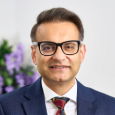
Mr Mrinal Supriya
Mr Mrinal Supriya is the Divisional Director of Surgery. He is highly experienced Head and Neck Surgeon, specialising in facial cosmetic surgery. He is the clinical director for head and neck service in Northamptonshire and works as an ENT Consultant. He is the lead head and neck robotic surgeon at the University hospital of Northamptonshire (2023). Previously, he held the post of ENT, Head and Neck consultant at St.George’s University Hospital, London and at Ninewells University Hospital, Dundee.


 Online Marketing For Doctors