
Last updated on May 29, 2026
Understanding the Difference Between Upper and Lower Blepharoplasty
The eye area is often one of the first places where facial ageing becomes noticeable, but not every concern around the eyes comes from the same place. Some people are more affected by heavy upper lids and loose skin that create a hooded appearance, while others notice under-eye bags, puffiness or persistent fullness that makes them look tired even when they feel well rested.
Upper and lower blepharoplasty are designed to address different concerns, and understanding that difference is the first step in choosing the right approach. Knowing whether the issue comes from the upper eyelid, lower eyelid, or both helps create more realistic expectations and supports more natural-looking results.
What Is Blepharoplasty?
Blepharoplasty is a surgical procedure designed to improve the appearance and structure of the eyelids. It is commonly used to address excess skin, puffiness and age-related changes that affect either the upper eyelids, lower eyelids or both.
Rather than being one single treatment for every concern, blepharoplasty surgery is tailored to the specific area being treated. Upper eyelid surgery focuses on heaviness and loose skin above the eyes, while lower eyelid surgery is usually concerned with under-eye bags, fullness and changes beneath the eyes.
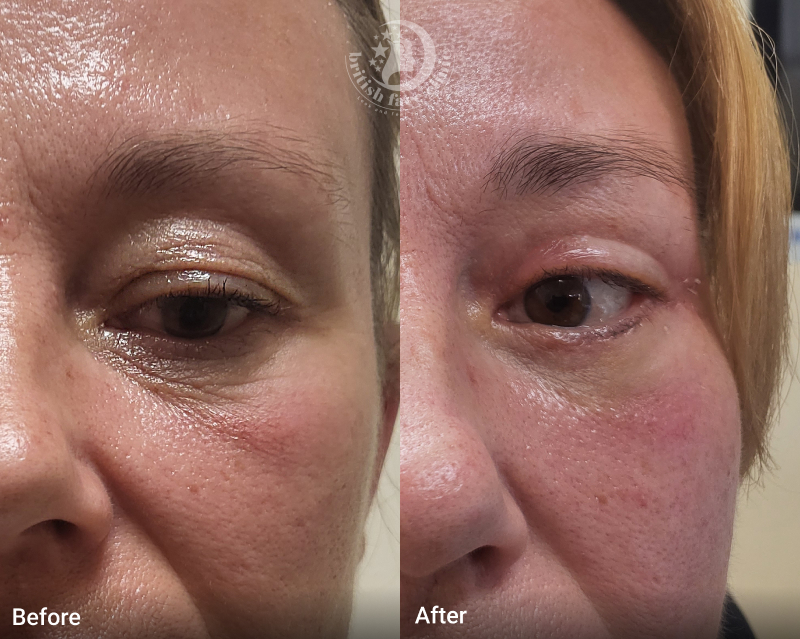
Upper and lower blepharoplasty address different concerns, from hooded upper lids to under-eye bags and puffiness.
What Does Upper Blepharoplasty Treat?
Upper blepharoplasty is usually considered when changes in the upper eyelid begin to affect the appearance or comfort of the eye area. Excess skin can create a heavier look around the eyes and may make the upper lids appear hooded or less defined over time.
People often notice concerns such as:
- Loose or excess upper eyelid skin
- Hooded eyelids that reduce visible lid space
- Heaviness around the eyes
- Difficulty applying makeup evenly
- A tired or older appearance in the upper eye area
- In some cases, upper lid skin affecting the visual field
These concerns often develop gradually, which is why many people first notice the change in photographs or when applying makeup rather than during everyday routines. As the upper lids become heavier, the eyes may appear less open and facial expression can look more tired even when energy levels have not changed.
What Does Lower Blepharoplasty Treat?
Lower blepharoplasty focuses on concerns beneath the eyes, particularly when puffiness or fullness creates a tired or heavier appearance. In many cases, under-eye bags are caused by structural changes rather than temporary swelling, which is why skincare alone often does not improve them.
Common lower eyelid concerns include:
- Under-eye bags
- Puffiness beneath the eyes
- Fullness in the lower eyelid area
- Loose lower eyelid skin
- Hollowing or shadowing, depending on facial anatomy
- A persistent tired appearance, even when well rested
These changes are often linked to fat distribution, skin support and the natural ageing process rather than poor sleep or short-term swelling. This is why under-eye concerns can remain consistent over time and may become more noticeable under certain lighting or in photographs.

Heavy upper lids and under-eye bags may look similar, but they often require very different treatment planning.
How to Tell Whether You Need Upper or Lower Eyelid Surgery
The easiest way to understand whether upper or lower blepharoplasty may be more relevant is to look at where the concern sits. If the issue is above the eye, such as heavy lids or loose skin, it usually points toward upper eyelid surgery. If the concern sits below the eye, such as under-eye bags or persistent puffiness, lower blepharoplasty is often more relevant.
Upper blepharoplasty is more commonly linked to hooded eyelids, reduced lid definition and heaviness that affects the upper eye area. Lower blepharoplasty is more often associated with eye bag removal, lower lid fullness and a tired appearance caused by under-eye structure rather than skin quality alone.
Can You Have Upper and Lower Blepharoplasty Together?
Yes, upper and lower blepharoplasty can often be performed together when both areas contribute to an aged or tired appearance. This is sometimes the most effective approach when heaviness above the eyes and under-eye bags below the eyes are both present.
Treating both areas together can create a more balanced overall result because the eye area is viewed as one complete aesthetic unit. Improving only the upper or lower eyelids may leave the surrounding area looking unchanged, while a combined approach can create better harmony across the full eye region.
Common Misunderstandings About Eyelid Surgery
Eyelid surgery is often misunderstood, particularly when people assume every concern around the eyes requires the same treatment. In reality, the cause of puffiness, heaviness or tired-looking eyes can vary significantly.
Lower Eyelid Surgery Does Not Always Remove Dark Circles
Dark circles are not always caused by under-eye bags. In some cases, pigmentation, skin thickness or hollowing creates the appearance of darkness rather than excess lower eyelid fullness.
Upper Blepharoplasty Is Not Only for Older Patients
Some younger patients naturally have heavier upper lids or hooded eyelids due to facial anatomy rather than ageing. Upper eyelid surgery is not always age-related.
Tired-Looking Eyes Are Not Always Caused by Lack of Sleep
Persistent puffiness or heaviness is often structural rather than temporary. Good sleep and skincare may help surface concerns, but they do not change underlying eyelid anatomy.
Not Everyone With Puffiness or Heaviness Needs Surgery
Some concerns are caused by temporary swelling, skin quality or facial volume changes rather than true structural eyelid ageing. Careful assessment helps identify whether surgery is actually the right option.
Choosing the Right Approach for Natural Results
The decision between upper and lower blepharoplasty should always start with understanding the cause of the concern, not simply choosing the procedure that sounds most familiar. Heavy upper lids, under-eye bags and tired-looking eyes can all appear similar at first, but they often come from very different structural changes.
The most natural results come from treating the right area for the right reason. Whether the concern involves upper eyelid skin, lower eyelid fullness or both, careful assessment allows treatment to be planned around facial balance rather than assumptions, helping outcomes remain refined, proportionate and long-lasting.
Ready to Take the Next Step?
If heavy upper lids, under-eye bags or persistent puffiness are affecting the way your eyes look or feel, schedule a free initial phone consultation to discuss your concerns. A professional assessment can help determine whether upper blepharoplasty, lower blepharoplasty or a combined approach may be the most suitable option for achieving balanced, natural-looking results.
FAQs
Will blepharoplasty change the shape of my eyes?
The goal of blepharoplasty is usually to improve heaviness, puffiness or excess skin while preserving your natural eye shape. Treatment should refresh the eye area rather than create an obvious change in expression or make the eyes look unnatural.
Can blepharoplasty help with makeup application?
Yes, upper blepharoplasty may help when excess upper eyelid skin makes it difficult to apply eyeliner, eyeshadow or mascara evenly. Creating more visible lid space can make daily makeup routines easier and improve upper lid definition.
Is blepharoplasty worth it for mild eyelid concerns?
This depends on whether the concern is structural or temporary. Mild puffiness caused by swelling may not need surgery, but persistent heaviness, excess skin or under-eye bags caused by anatomy can sometimes benefit from a more long-term solution.
Can blepharoplasty improve vision?
In some cases, upper blepharoplasty may help when excess upper eyelid skin begins to interfere with the visual field. This is more common when heavy upper lids create both a cosmetic and functional concern.
What is the best age to consider blepharoplasty?
There is no single right age for eyelid surgery. Some people consider blepharoplasty earlier due to natural facial anatomy, while others notice changes later through ageing. The decision is usually based on the concern itself rather than age alone.

About The Author
Mr Mrinal Supriya
Mr Mrinal Supriya is the Divisional Director of Surgery. He is highly experienced Head and Neck Surgeon, specialising in facial cosmetic surgery. He is the clinical director for head and neck service in Northamptonshire and works as an ENT Consultant. He is the lead head and neck robotic surgeon at the University hospital of Northamptonshire (2023). Previously, he held the post of ENT, Head and Neck consultant at St.George’s University Hospital, London and at Ninewells University Hospital, Dundee.



 Online Marketing For Doctors