

A low or flat nose bridge is a common nasal feature that can influence the shape and definition of your profile. For some people, the bridge appears lower or less projected, creating a softer contour between the forehead and the tip of the nose. Others simply wish to restore subtle height for a more balanced look.
At British Face Clinic, low nose bridge rhinoplasty focuses on precise augmentation techniques that enhance bridge height while maintaining natural harmony. Each procedure is carefully planned to achieve a refined definition using surgical methods tailored to your anatomy and aesthetic goals. The result is a smoother, more proportionate profile that complements your overall facial structure.
What Is a Low or Flat Nose Bridge?
A low nose bridge occurs when the bone and cartilage along the upper part of the nose sit closer to the face, giving the bridge a flatter or lower appearance. This anatomical variation is entirely natural and can vary widely in degree.
In some people, a low bridge is simply genetic, while in others it can be influenced by developmental factors or trauma. Treatment is elective and focused on restoring definition for a more proportionate and harmonious profile.

Subtle bridge augmentation can transform a low nose bridge, creating smooth continuity and refined definition.
What Our Patients Have to Say



Recognising a Low or Flat Nose Bridge
A low nasal bridge can make the middle section of the nose appear flatter or less distinct. From the side, the bridge may sit below the tip, creating a shorter or less defined nasal contour. Glasses may rest lower on the face, and the transition from the forehead to the nose can appear more gradual than angled.
These features are completely normal but may lead some people to feel their profile lacks the smooth line or height they would prefer. Bridge augmentation rhinoplasty can subtly enhance the bridge, restoring a natural contour without exaggerating projection.
When to Consider Treatment for
a Low Nose Bridge
People typically consider low nose bridge surgery when the bridge appears flat or undefined in profile photos or when the nose seems proportionally low compared with other features. The goal is always to improve definition and contour while maintaining the individual’s natural look.
Treatment may be worth considering if:
- The nose appears short or flat in profile
- The bridge lacks continuity with the forehead or tip
- Glasses sit low or slip easily due to bridge height
- The overall facial profile feels less defined

Rhinoplasty for a low nose bridge focuses on restoring structure and balance while maintaining natural harmony.
How We Treat a Low Nose Bridge
At British Face Clinic, treatment focuses on bridge augmentation to increase height and definition in a controlled, natural way. The choice of technique depends on the patient’s anatomy and the level of refinement desired. In most patients, their own cartilage taken from the septum and/or ears, is used to augment the height. In revision cases or where extensive changes are required, cartilage from rib, are necessary to give optimum result.
Open Rhinoplasty
Open rhinoplasty is the preferred approach for most bridge augmentation cases. A small incision between the nostrils allows full visibility of the nasal structure, enabling precise placement of grafts or implants to build height and smooth the profile. This method provides complete control over contour and alignment, creating a refined, natural result.
Closed Rhinoplasty
For mild or moderate cases, closed rhinoplasty may be appropriate. All incisions are made inside the nostrils, leaving no visible scarring. This technique allows subtle enhancement of bridge height when the nasal framework already has good shape and support.
Ethnic Rhinoplasty
Ethnic rhinoplasty is particularly relevant for patients whose natural anatomy includes a lower nasal bridge. The approach combines bridge augmentation with culturally sensitive shaping techniques, designed to maintain the authentic proportions and characteristics of the nose. The goal is to enhance definition while respecting each patient’s unique identity.
Individualised Planning for
Bridge Augmentation
Each low nose bridge rhinoplasty procedure begins with a detailed assessment of facial proportions, nasal symmetry and desired bridge height. During your consultation, we discuss your aesthetic goals and recommend the most suitable technique and material for augmentation.
Every plan is tailored to ensure balanced, natural results that complement your existing features rather than change them. The focus is always on proportion, precision and harmony.
Meet Mr Mrinal Supriya
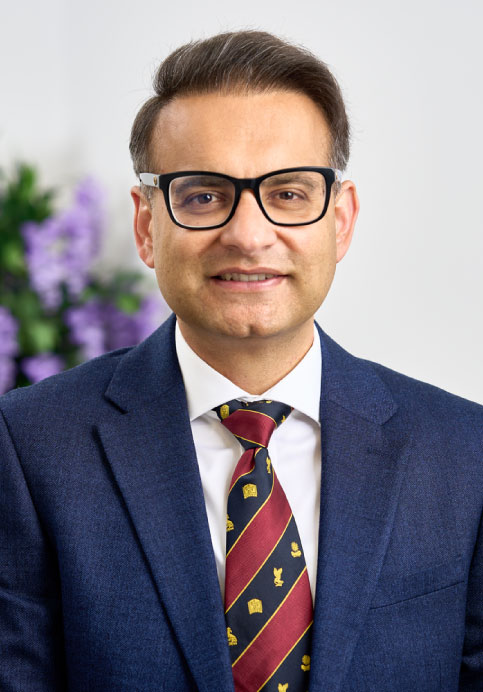
FRCS (OTOL-HNS), MRCS Ed, DO-HNS, MS in ENT, MBBS
Mr Mrinal Supriya is the Divisional Director of Surgery. He is highly experienced Head and Neck Surgeon, specialising in facial cosmetic surgery. He is the Divisional Director for Surgery at NGH in Northamptonshire and works as an ENT Consultant.
Mr Supriya is also the lead head and neck robotic surgeon at the University Hospital of Northamptonshire (2023). Previously, he held consultant positions at St. George’s University Hospital, London and Ninewells University Hospital, Dundee.
Mr Supriya has extensive experience in top hospitals around the world, including the UK, Australia and the USA. He has trained with Dr. Andrew Jacono, one of the top facelift surgeons in the USA. Mr Supriya is among the 30 surgeons certified by the Royal College of Surgeons to provide facial cosmetic surgery in the UK (2022).
Why Choose Us for
Low Nose Bridge Treatment?
Choosing the right clinic for low nose bridge rhinoplasty ensures both safety and subtle, natural-looking outcomes. At British Face Clinic, every procedure is planned and performed by a consultant surgeon with extensive expertise in facial and nasal surgery.
- Specialist Facial Surgeon: Mr Mrinal Supriya is certified by the Royal College of Surgeons (2022) to perform cosmetic facial surgery.
- Precision Bridge Augmentation: Advanced surgical techniques to restore structure and definition.
- Direct Surgeon Consultations: All appointments are with Mr Supriya, ensuring expert, honest advice from the start.
- Balanced, Natural Results: Enhancements designed to fit your face rather than alter it.
- Comprehensive Aftercare: Follow-up appointments are included in every package for complete reassurance and continuity of care.
Ready to Take the Next Step?
If you are considering low nose bridge rhinoplasty, booking a consultation is the best way to begin. Our team will assess your nasal structure, discuss your goals and recommend an approach that restores definition and proportion while maintaining your natural appearance.
Patient Stories
It’s embarrassing looking tired at work, and social events aren’t so fun when your confidence and self-esteem are lacking. You’ve neglected yourself and feel inadequate compared to all the beautiful people around you. You deserve some self-love.
Take your first step and step into a more beautiful you!
Frequently Asked Questions
What causes a low or flat nose bridge?
A low nose bridge is usually an inherited facial feature, caused by the natural position of the nasal bones and cartilage. In some cases, it can also result from injury or developmental factors.
Can a low or flat nose bridge be improved without surgery?
Non-surgical treatments such as dermal fillers can create temporary bridge height, but results typically last only a few months. Surgical augmentation rhinoplasty offers a more permanent and precise solution.
What is the best surgery for a low nose bridge?
Augmentation rhinoplasty is the most effective way to raise a low bridge. It involves adding height using grafts or implants carefully positioned to enhance definition while maintaining balance.
How long does recovery take after low nose bridge surgery?
Recovery time depends on the type of rhinoplasty performed. Closed rhinoplasty cases often heal within one to two weeks, while open rhinoplasty or bridge grafting may take several weeks for swelling to fully settle.
Will a low nose bridge rhinoplasty change the rest of my face?
No, the focus of treatment is on improving the bridge structure to achieve facial balance. The goal is subtle enhancement that complements your existing features, not dramatic change.
What materials are used to raise a low nose bridge?
Surgeons may use cartilage grafts from the patient’s own body or medical-grade implants, depending on the level of augmentation required. The choice is based on anatomy, goals and long-term stability.
How much does low nose bridge surgery cost in London?
Surgeons may use cartilage grafts from the patient’s own body or medical-grade implants, depending on the level of augmentation required. The choice is based on anatomy, goals and long-term stability.
Our Locations
- London City
The Wellington Hospital, 15 – 17 Lodge Road
London NW8 7JA
- London City
98 Harley Street
London, W1G 7HZ
- Milton Keynes
Athena Surgical Centre
16 Davy Avenue, Knowlhill
Milton Keynes, MK5 8PL
- Northampton
The Three Shires Hospital
The Avenue
Northampton. NN1 5DR
London City
The Wellington Hospital
15 – 17 Lodge Road
London NW8 7JA
London City
98 Harley Street
London, W1G 7HZ
Milton Keynes
Athena Surgical Centre
16 Davy Avenue, Knowlhill
Milton Keynes, MK5 8PL
Northampton
The Three Shires Hospital
The Avenue
Northampton. NN1 5DR
 Online Marketing For Doctors